Title: Peptides for Sexual Function: Mechanisms and Real-World Outcomes
Opening Paragraph:
For years, we've been hearing about the potential of peptides in various health and wellness arenas. From muscle growth to skin elasticity, these tiny proteins have proven their worth as powerful tools for optimizing our bodies. But what about sexual function? Is there evidence that peptides can improve our bedroom exploits or are they just another hyped-up trend?
Body:
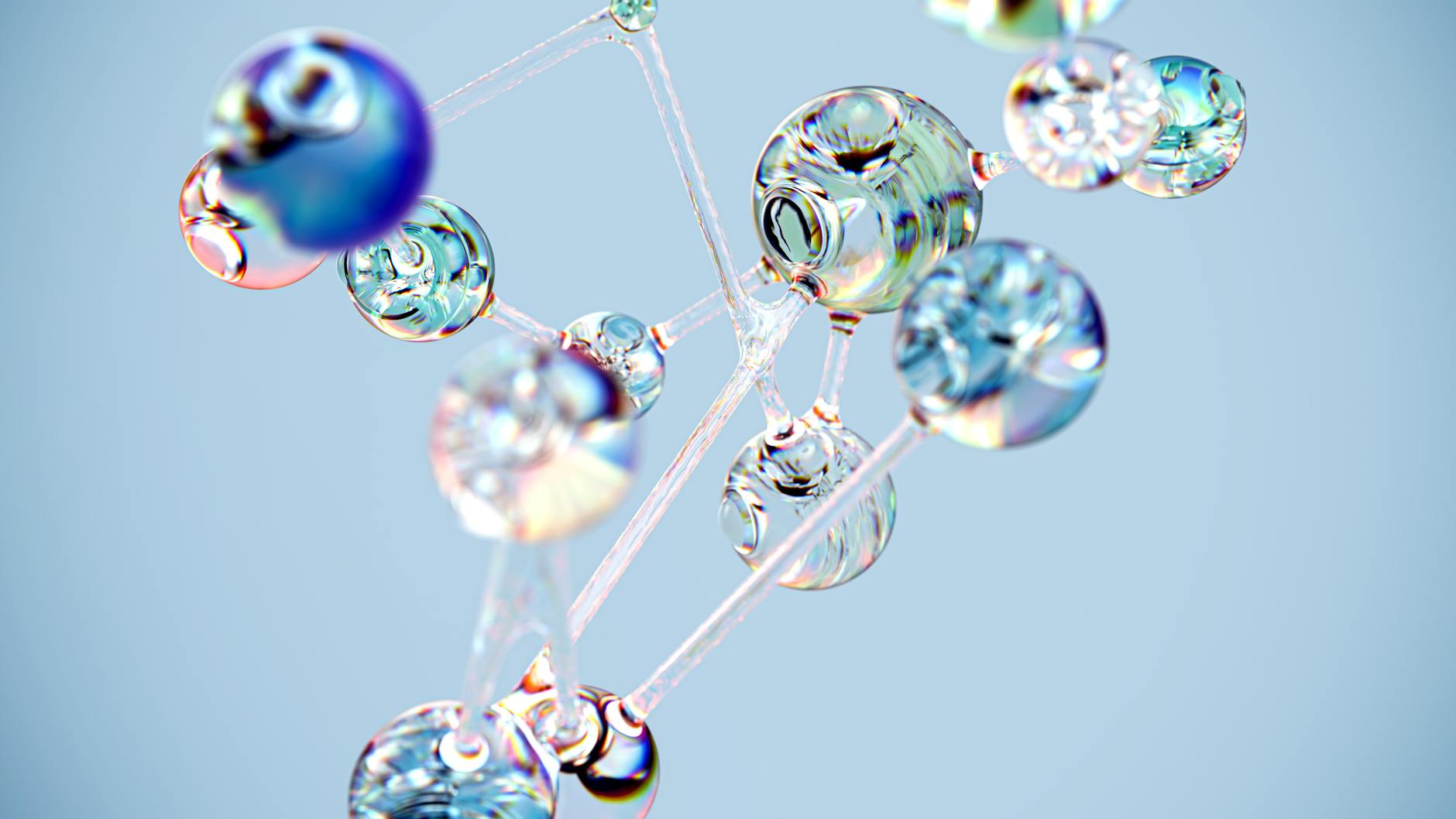
Let's start with the basics. Peptides are short chains of amino acids that act as signaling molecules in our bodies. They play a crucial role in regulating many physiological processes, including hormone secretion, immune response, and cell growth. When it comes to sexual function, several peptides have been found to influence key aspects such as libido, erectile function, and fertility.
One of the most well-studied peptides in this area is melanotan-2 (MT-2), a synthetic analog of alpha-melanocyte-stimulating hormone (α-MSH). α-MSH is responsible for stimulating melanocytes, which produce melanin – the pigment that gives our skin, hair, and eyes their color. But it also has potent effects on sexual function. MT-2 has been shown to increase libido in both men and women, as well as promote penile erections in males. In one study, healthy male participants who received MT-2 reported a significant increase in erectile hardness scores compared to placebo.
Another peptide gaining attention for its potential impact on sexual function is growth hormone-releasing peptide 2 (GHRP-2). As its name suggests, GHRP-2 stimulates the release of growth hormone (GH) from the pituitary gland. GH has been linked to improved muscle mass, reduced body fat, and increased libido. A study in the Journal of Sexual Medicine found that men with erectile dysfunction who received GHRP-2 experienced significant improvements in their International Index of Erectile Function (IIEF) scores compared to placebo.
But it's not just about peptides for penis power. Peptides can also play a role in female sexual function. For example, oxytocin, often referred to as the 'love hormone,' has been shown to increase feelings of emotional and physical closeness during sexual activity. In addition, dehydroepiandrosterone (DHEA), a precursor hormone that can be converted into testosterone and estrogen, has been linked to improved libido in women.
So, do peptides work? The evidence suggests they can have significant impacts on sexual function, but it's essential to remember that results may vary from person to person. Peptides are not a one-size-fits-all solution – what works for one individual may not work for another. It's also crucial to note that while these peptides show promise in clinical studies, they are not yet approved by the FDA for use as sexual enhancement supplements.
Closing Paragraph:
In conclusion, peptides have emerged as promising candidates for optimizing sexual function. From melanotan-2 to growth hormone-releasing peptide 2 and beyond, these tiny proteins are proving their worth in the bedroom as well as on the gym floor. But remember, results may vary, and it's essential to consult with a healthcare professional before considering any peptide therapy for sexual enhancement. Stay curious, stay informed,