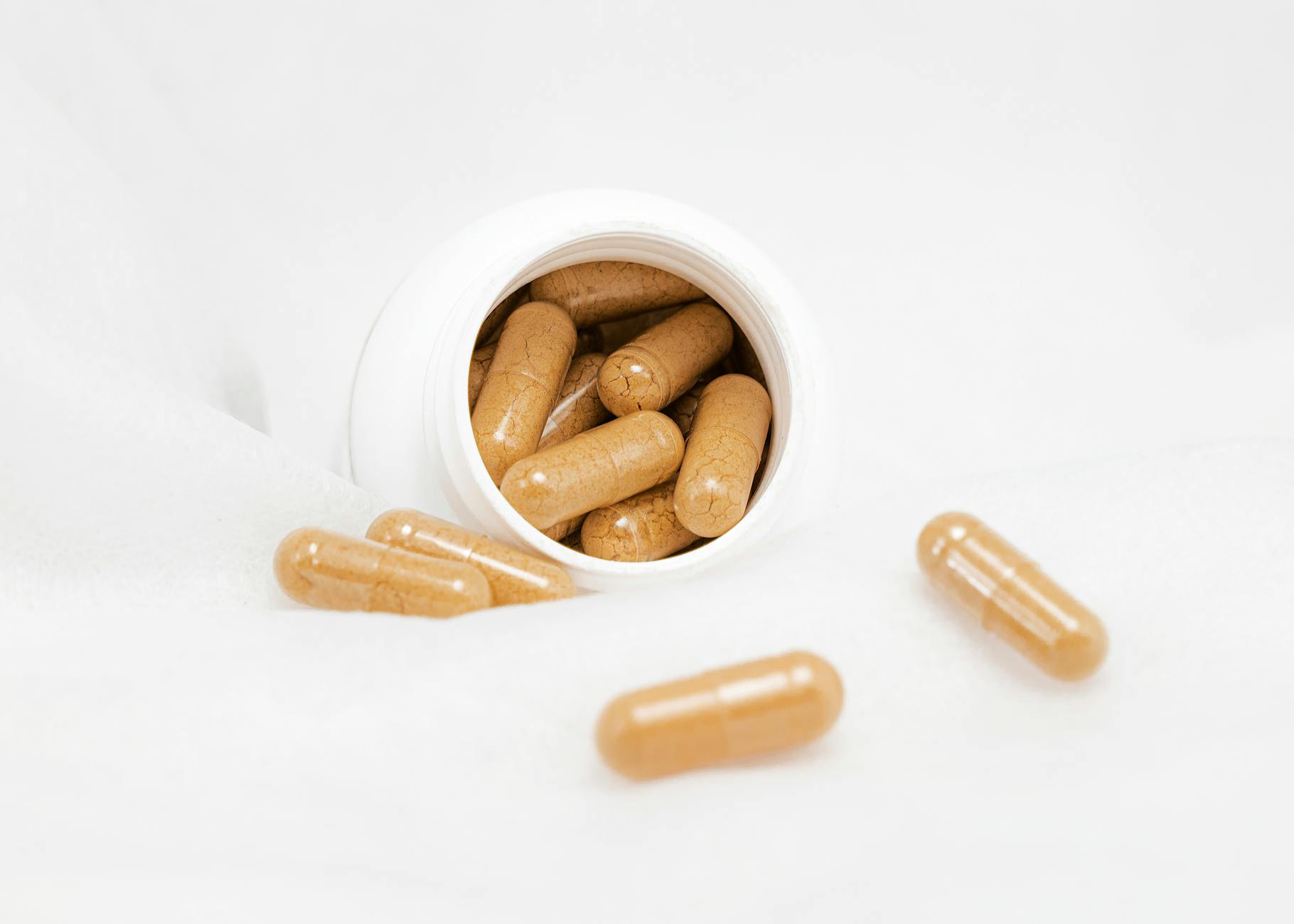
Walk through any supplement aisle and you can find a tub of protein for $30 or a bottle of multivitamins for $15. Then you see a premium oral peptide product priced near $199 and the obvious question lands: what makes it different?
The short answer is that peptides are not commodity ingredients, and the cost reflects a specific set of inputs. Here is where the money actually goes, so you can judge value instead of just reacting to the number.
Raw Material Purity Is the Biggest Driver
Peptides are short chains of amino acids manufactured through controlled synthesis. Producing them at a purity suitable for consumer use is far more involved than blending a protein powder. The starting material itself carries a meaningful cost, and reputable suppliers test each batch for purity, typically targeting 98 percent or higher.
Lower-cost products often cut here first. A peptide listed at a fraction of the price may use material with unverified purity, lower potency, or contaminants left over from synthesis. With this category, you are paying for the certainty that what is on the label is what is in the tab.
Third-Party Testing and Certificates of Analysis
A serious brand sends every batch to an independent lab and publishes a Certificate of Analysis, often called a COA. That document confirms identity, purity, and the absence of heavy metals or microbial contamination.
- Identity testing confirms the tab contains the peptide it claims.
- Purity testing measures how much of the material is the intended compound.
- Contaminant screening checks for heavy metals, solvents, and microbial load.
Lab work is a recurring cost on every production run, not a one-time expense. Brands that skip it can price lower, but you lose the one piece of evidence that tells you what you are taking.
Delivery Format and Formulation Work
An oral dissolvable tab is not just powder pressed into a shape. Getting a peptide into a stable, palatable, fast-dissolving format takes formulation work: choosing the right excipients, protecting the active ingredient, and ensuring consistent dosing across thousands of units.
This is real product development, and it is part of why a well-made tab costs more than a generic capsule filled with bulk powder. The format is designed for consistent daily use, which matters more for results than any single heroic dose.
Compliance, Sourcing, and Manufacturing Standards
Premium brands typically manufacture in facilities that follow Good Manufacturing Practices, the standards the U.S. Food and Drug Administration applies to dietary supplements. Compliant facilities cost more to run, document everything, and maintain traceability from raw material to finished unit.
You are also paying for honest sourcing. Domestic or vetted international suppliers with documented supply chains charge more than anonymous bulk sellers. That premium is the difference between a known supply chain and a guess.
How to Judge Whether the Price Is Fair
Price alone tells you nothing. A $199 product with no COA is worse value than a $199 product with full transparency. Use a simple checklist before you buy:
- Is there a published Certificate of Analysis for the batch you are buying?
- Does the brand state the purity target and the testing lab?
- Is the dose per tab clearly listed?
- Is the manufacturing standard disclosed?
- Does the brand make optimization claims rather than disease-treatment claims?
A premium price backed by all of the above is buying you certainty. A premium price with none of it is buying you a logo.
The Value Frame for the Optimization-Minded
If you think in cost per day rather than cost per bottle, the math changes. A product designed for daily use over a multi-week protocol spreads the price across a routine, the same way people frame a quality gym membership or a recovery device. The question is not whether it is cheap. The question is whether the inputs justify a place in your stack.
Sources
- U.S. Food and Drug Administration, Current Good Manufacturing Practice for Dietary Supplements
- U.S. Pharmacopeia, Standards for Dietary Supplement Quality
- NSF International, Dietary Supplement Certification Guidance
- Council for Responsible Nutrition, Supplement Quality and Testing Resources